
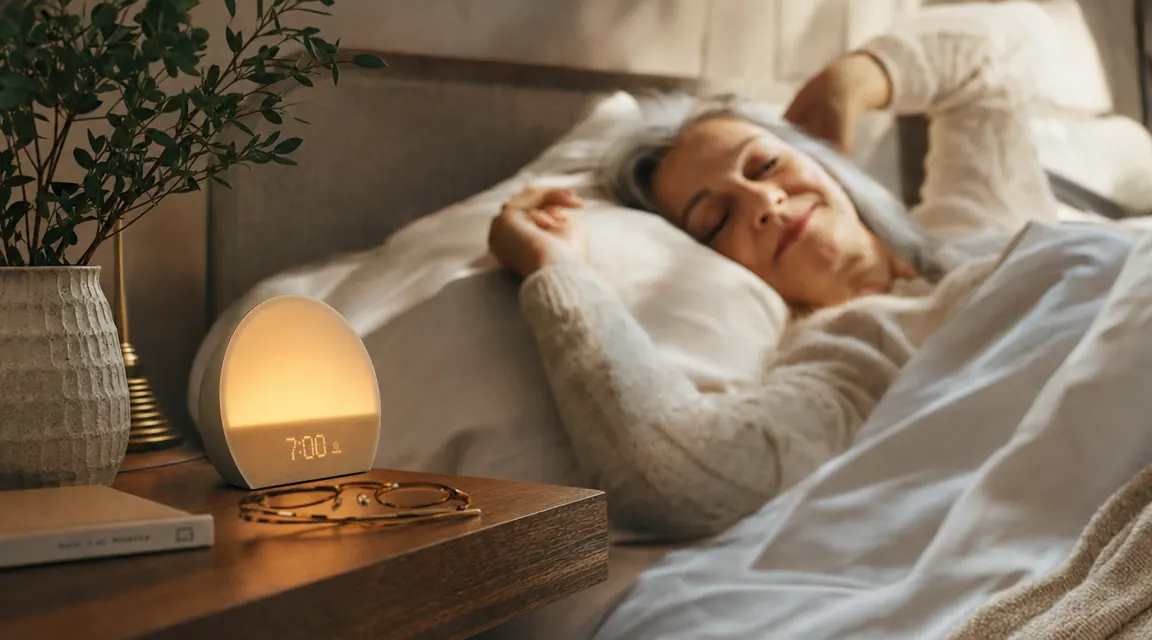
If you are standing in the checkout lane for the Hatch Restore 3 and you want one person to shoot straight with you before you tap buy, I am that person. I have been using this device for months. I like it. I also wish someone had told me four specific things before I paid premium pricing for what the box basically calls a fancy alarm clock. The Hatch Restore 3 is not a bad product. But the way it is sold does a quiet job of hiding the parts that will frustrate you, and I think you deserve the full picture.
I am Minia. I am 67, retired, and I chase after my grandsons Theo and Marcus three mornings a week. Getting enough sleep and waking up gently matters more to me now than it ever did when I was working. I did the research, I bought the device, and I am going to tell you exactly what nobody put in the headline.
The Quick Verdict
The Hatch Restore 3 is a genuinely pleasant sunrise alarm clock with a good speaker. But the subscription paywall is more significant than most reviews let on, the app dependency is a real constraint, and the content library has meaningful limits. Go in with open eyes and it is worth it. Go in expecting a complete standalone device and you will be disappointed.
Amazon Check Today's Price →Want to wake up gently, but want the full honest cost picture first?
The Hatch Restore 3 has 5,544 Amazon ratings averaging 4.3 stars. It works. The question is whether it works the way you think it does. Read on, then decide. Check today's price on Amazon when you are ready.
Amazon Check Today's Price on Amazon →What Nobody Tells You Before You Buy
Let me get right to the four things I wish had been in bigger print on the Amazon listing.
First: the Hatch Restore 3 requires a subscription to use the features that make it worth buying. The free tier gives you a basic alarm and a small handful of sounds. It does not give you wind-down routines, it does not give you the full sound library, it does not give you the sleep content, and it does not give you the customizable sunrise presets that are the heart of what people are actually paying a premium for. The subscription is monthly or annual. If you buy the device and do not subscribe, you have an expensive alarm clock with three sounds. That is not the product being sold in the marketing materials.
Second: the device is fully controlled through the smartphone app. There is no interface on the device itself beyond a touch-sensitive top surface that lets you snooze, dismiss, or manually adjust brightness and volume. Every single schedule, routine, and customization lives in the app on your phone. If you travel without your phone, if your phone dies, or if the app stops working, you lose control of the device. For me that is a minor irritation. For someone who does not own a smartphone, it is a dealbreaker they will not discover until the device is already home.
Third: the Hatch Restore 3 needs an active Wi-Fi connection to run as scheduled. It does not store your routines locally in a meaningful way. The scheduled routines sync through the cloud. When my router went down overnight twice in recent months, the Hatch did not fire at the scheduled time on either occasion. It is not a device you can count on without a reliable home network. A cheap alarm clock does not have this vulnerability.
Fourth: the sleep content library, the one advertised with phrases like "hundreds of sleep programs" and "a library of bedtime audio," is real but smaller and more repetitive than it sounds. The sounds themselves are high quality. But there are probably 30 to 40 distinct sounds, not hundreds. The "sleep content" category includes sleep meditations, stories, and breathing exercises, which are pleasant enough, but a significant portion of the newest additions have been gated behind the membership tier in recent updates. The library is not growing as quickly as the marketing implies.
The Subscription: What You Get and What You Do Not
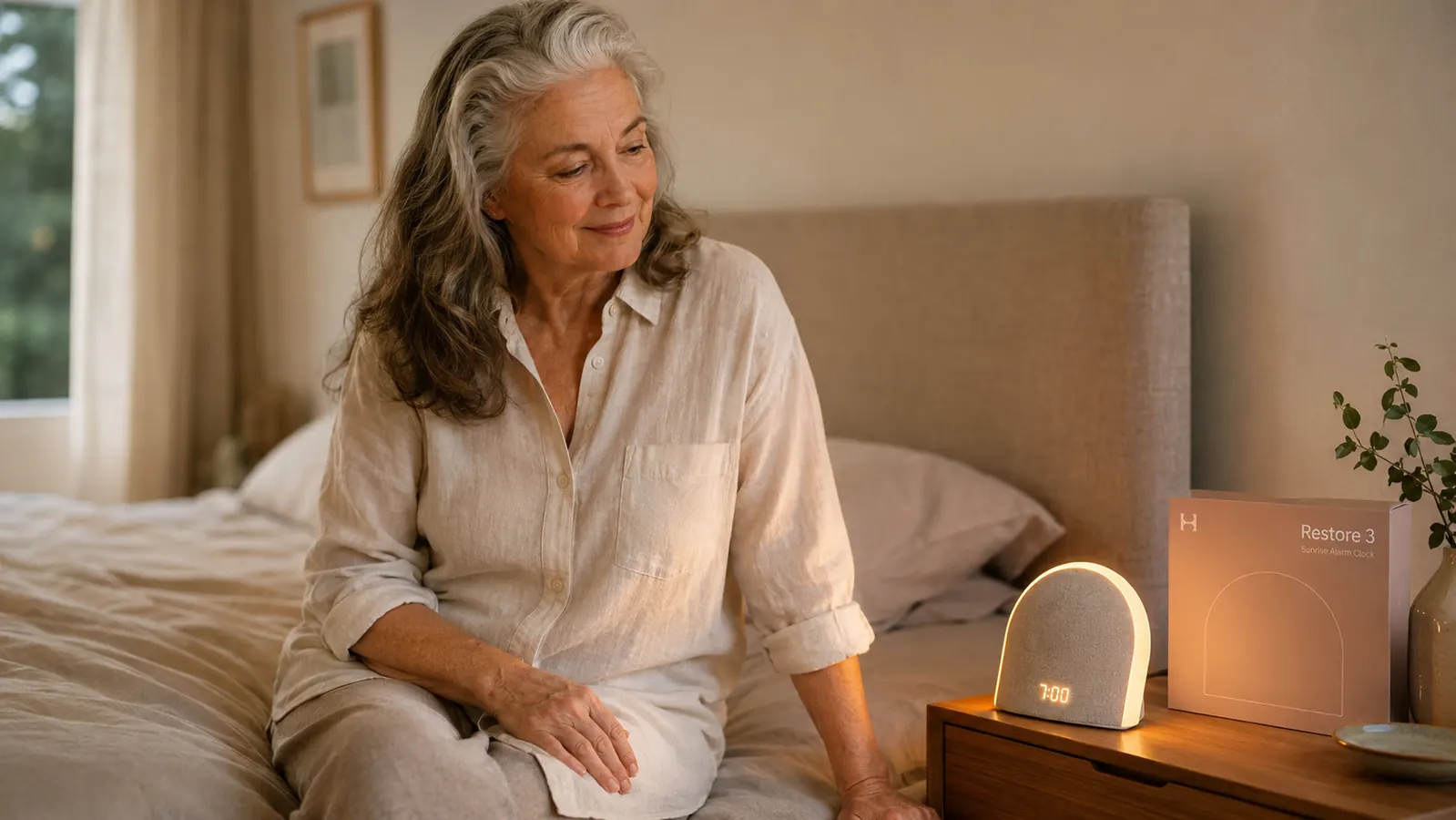
I want to spend more time on this because I think it is the most important financial question before you buy. The Hatch membership is not optional if you want the product as advertised. Here is the clearest breakdown I can give you.
What you get without a subscription: a basic wake alarm with a single customizable time, three background sounds (the exact selection rotates and is controlled by Hatch), manual brightness and volume control via the app, and the sunrise light feature at its most basic setting. The wind-down feature is not available. Scheduled routines beyond a single alarm are not available. Guided content is not available.
What unlocks with a membership: the full sound library with all available sounds and ambient mixes, customizable wind-down and wake-up routines you can schedule, the sleep content library including meditations, stories and breathing guides, the ability to create multiple alarm schedules, and access to new sounds as Hatch adds them. This is the version of the device that people are describing in glowing reviews.
So the real cost of ownership for the first year is closer to the mid-range if you go month-to-month, or similar if you buy the device and subscribe annually. Over three years, you are looking at a moderate total investment. For a sunrise alarm clock and sound machine, that is a legitimate premium. Whether it is worth it depends on what a genuinely restful morning is worth to you. For me, it is worth it. But I would have made the same calculation differently if I had understood it at the start.
The App Dependency: More Than Just a Setup Step
I have read a dozen Hatch reviews that describe the app as something you use once to set up and then mostly forget. That has not been my experience. I check the app at least once a week to adjust the wake time, change the wind-down sound, or tweak the sunrise ramp length. Hatch has also pushed several app updates during my time with the device, and two of those updates temporarily broke features for a few days until a patch came through. Nothing catastrophic, but enough to notice.
The app itself is reasonably well-designed. I am in my late 60s and I figured it out, though my daughter helped me the first time I tried to build a wind-down routine. The issue is not that the app is hard to use. The issue is that the device is functionally incomplete without it. Unlike a traditional alarm clock where the interface is on the device, with the Hatch the interface is on your phone and the device is just the hardware that receives the instructions. If Hatch as a company ever changes its app, discontinues the service, or alters what is included in the membership, your device changes too. You are not buying a product. You are buying access to a product, for as long as Hatch decides to offer it on the current terms.
I do not say this to be dramatic. Most software-dependent devices work this way now. But at nearly $170, I think buyers deserve to know they are also entering a software relationship, not just purchasing hardware.
You are not buying a product. You are buying access to a product, for as long as Hatch decides to offer it on the current terms. At this price point, that distinction matters.
What Actually Works Well (Because There Is Plenty)
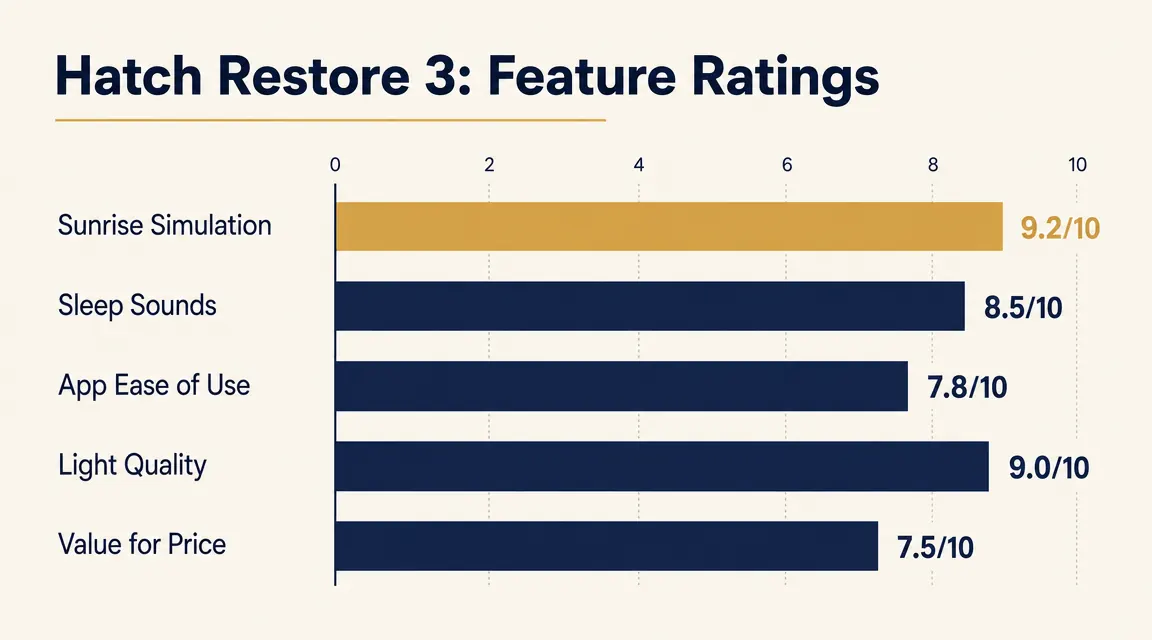
I have been spending time on the frustrations because they are underreported, but I want to be clear: the Hatch Restore 3 does its core job very well. The sunrise simulation is genuinely effective for lighter sleepers. My bedroom is moderately dark and the 30-minute ramp from dim amber to bright white has a noticeable effect on how my body wakes up. I do not jolt awake. I drift up. For someone like me, who has always been a light sleeper and who wakes easily anyway in the early morning hours, this is exactly what I needed.
The sound quality from the speaker is better than anything in this size class I have tried. It fills a 14 by 12 foot bedroom without distortion at comfortable volume. The sounds themselves, the ones that are included in the subscription, are recorded well. The campfire crackle sounds like a real fire. The rain on glass sounds like rain on glass. These are not the compressed loops you get from a budget white noise machine.
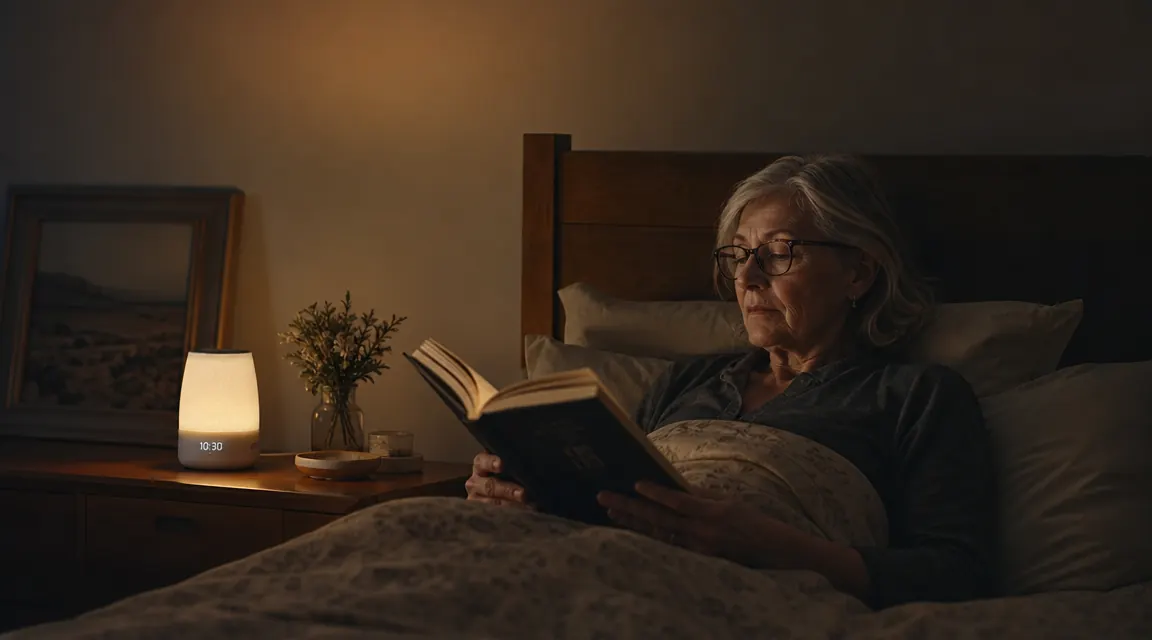
The wind-down feature has become my favorite part of the device, which I did not expect when I bought it. I set it to begin 45 minutes before my sleep time, dimming to a warm red glow and playing a gentle rain loop. My body has learned the signal. I fall asleep faster than I did before the Hatch, and I was not a bad sleeper to begin with. That is a real, observable benefit.
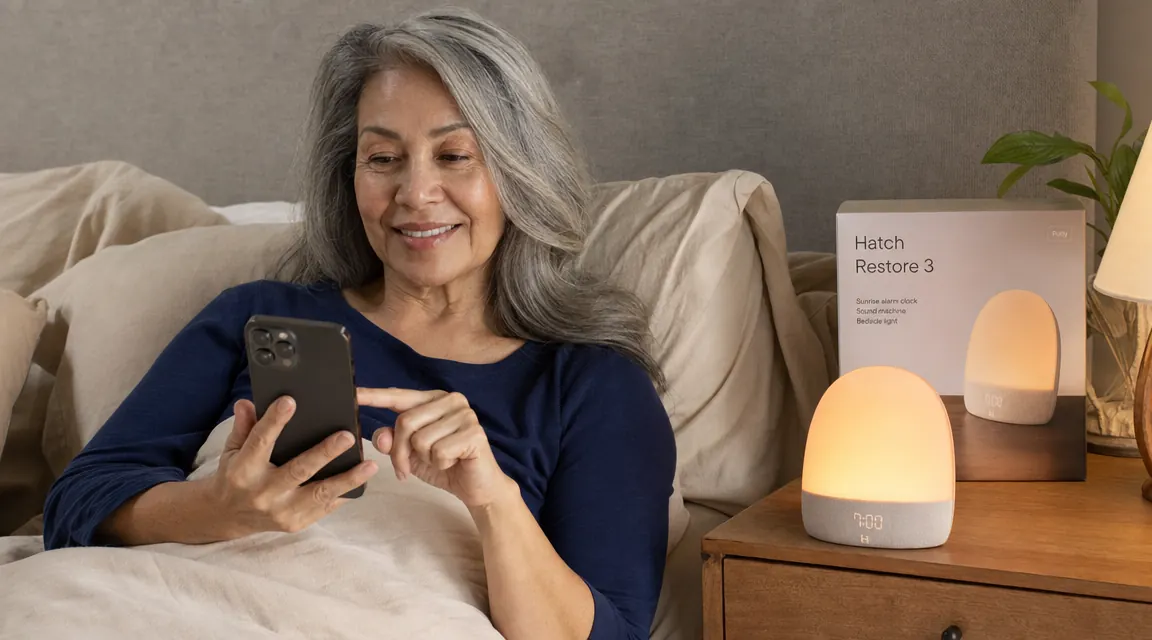
The physical design is also genuinely nice. The fabric-covered round form sits on a nightstand without looking like a medical device or a gaming peripheral. It is understated and warm. No bright clock face staring at you at 3 a.m. No buttons that light up when you do not want them to. It just sits there being quietly useful, which is exactly what a bedroom device should do.
Alternatives Worth Considering Before You Decide
The two alternatives I looked at seriously before buying the Hatch were the Philips SmartSleep Wake-Up Light and the Lumie Bodyclock. If you want a deep side-by-side look, I have a full comparison at Hatch Restore 3 vs Philips SmartSleep: A Side-by-Side Look at Two Premium Wake Lights. The short version: the Philips SmartSleep does not require a subscription or a smartphone app. It has a clock face, on-device controls, and a simpler set of features. The sunrise simulation is slightly less smooth than the Hatch, but it is more reliable as a standalone device. If app dependency worries you or if you prefer to pay once and own outright, the Philips is worth serious consideration even at a similar price.
There are also cheaper sunrise alarm options in the budget range from brands like Dekala and Hihome that provide basic sunrise simulation and a small sound library without any subscription. They do not match the Hatch in build quality or sound, but they do the sunrise job adequately for someone who is not sure yet whether the concept will help them. If you have never tried a sunrise alarm before, starting with a less expensive device to see whether the principle works for you is not a bad idea before committing to the Hatch ecosystem.
What I Liked
- Sunrise simulation is smooth and effective, especially for light sleepers and those who wake naturally in early morning
- Speaker sound quality is genuinely high, better than white noise machines at the same price
- Wind-down routine with light dimming is an unexpectedly powerful sleep cue
- No clock face or screen glare in the middle of the night
- Physical design is warm and understated, fits any bedroom decor
- App is manageable for non-tech-savvy users once the initial setup is done
Where It Falls Short
- Subscription required for the features that make it worth buying, adding an annual cost
- Fully app-dependent with no meaningful on-device controls for scheduling
- Wi-Fi reliance means a dropped connection can cause a missed alarm
- Content library is smaller and less frequently updated than the marketing implies
- Business model means Hatch controls what stays free and what moves behind the paywall in future updates
- Not viable for anyone without a smartphone or reliable home Wi-Fi
Who This Is For
The Hatch Restore 3 is a genuinely good fit for a specific kind of buyer. You wake up too abruptly and it affects your mood for the first hour of the day. You have a smartphone you are comfortable using at least occasionally. Your home has reliable Wi-Fi. You are willing to add a modest annual subscription to your budget and you see that as a reasonable trade for a better morning experience. You want one device to replace both your alarm clock and your sound machine. If that is you, the Hatch earns its price. The long-form look at my five months of daily use goes deeper on the experience from that angle: Hatch Restore 3 Review: I Stopped Using My Phone Alarm and Here Is What Happened.
Who Should Skip It
Skip the Hatch Restore 3 if subscriptions frustrate you on principle, because this one is not optional if you want the product that people are actually reviewing. Skip it if you do not own a smartphone or are genuinely uncomfortable with app-based devices. Skip it if your Wi-Fi is unreliable and you cannot afford to miss an alarm. Skip it if you are a heavy sleeper who needs a jarring alarm to actually wake up, because the sunrise simulation will not do that job reliably on its own. And skip it if you want to know the exact time in the middle of the night without touching your phone, because there is no clock face. The Hatch is a premium product that earns its place in the right hands. If the description above does not fit your situation, there are simpler options that will serve you just as well for a fraction of the price.
Eyes open, budget accounted for, and still interested? Then it probably is the right call.
The Hatch Restore 3 is the sunrise alarm clock that most people who buy it actually stick with. With 5,544 Amazon ratings at 4.3 stars, the satisfaction rate is real. Check the current price and see if today's number works for you.
Amazon Check Today's Price on Amazon →